God / Son of God - Titles of Divinity
God
Imperial Usage
Greek historian Strabo consistently refers to Julius Caesar as “the god Caesar.” After Julius’ death, the Senate voted “voted to honor him as God” (Plutarch Caesar 67.8). The memoirs of Augustus refer to a “temple of the divine Julius.”
Some of Augustus’s subjects expressed concern for his honor: “Thy name, O Caesar, as well as that of the other gods, had been profaned.” Philo, however, records that Augustus “never wished anyone to address him as a god.”
There are many reference to the Caligula’s madness, including his insistence that people address him as a god. Nero, the emperor during the latter part of Paul’s ministry also attempted to make himself equal to a god.
The development of this title loosely follows three stages. First, Julius gladly accepted divine honors. Second, Augustus was reluctant to be called “god” (after Julius was assassinated). This set a new standard for the imperial cult: from Augustus on, it “officially” focused primarily on deceased emperors. The third phase during Paul’s ministry included the demands of the mad emperors: even Roman nobles didn’t approve of this.
It’s important to note that “god” doesn’t mean the same thing in Rome that it does for us. We use it with reference to an exclusive, absolute deity. For the ancient Romans, however, it was a relative word. The Greek / Roman pantheon were little more than exaggerated human beings. Similarly, to call a king, general, or emperor “god” was simply a way to recognize that he had power or authority beyond that of a “mere mortal.” The Romans didn’t worship the emperor as a spiritual deity; they saw his power as being immeasurably more than other men and used the word “god” to recognize that.
Pauline Usage
As you can imagine, Paul uses the word “God” in a very different way. In two passages, he calls Jesus “God.”
Romans 9.5: “To them belong the patriarchs, and from their race, according to the flesh, is the Christ who is God over all, blessed forever. Amen.”
Titus 2.13: “The appearing of the glory of our great God and Savior Jesus Christ.”
Authority
Rom 14.10: “For we will all stand before the judgment seat of God.” || II Cor 5.10: “For we must all appear before the judgment seat of Christ.”
Gal 1.10: “For am I now seeking the approval of man, or of God? Or am I trying to please man? If I were still trying to please man, I would not be a servant of Christ.”
Prominence
Rom. 14.11: “As I live, says the Lord, every knee shall bow to me, and every tongue shall confess to God.” || Phil 2.10-11: “So that at the name of Jesus every knee should bow, in heaven and on earth and under the earth, and every tongue confess that Jesus Christ is Lord, to the glory of God the Father.”
Spirituality
Col 1.10: “He is the image of the invisible God, the firstborn of all creation.”
Phil 2.7 “He was in the form of God.”
Salvation
Titus 1.3 “and at the proper time [God] manifested [eternal life] in his word through the preaching with which I have been entrusted by the command of God our Savior.” || Titus 1.4 “Grace and peace from God the Father and Christ Jesus our Savior.”
Comparison
The differences between the two uses of this title make it clear that Paul does not use “God” merely to compare Jesus to the emperor. Judeo‑Christian monotheism uses the word “God” in a vastly different way from pagan polytheism. For Paul, the title communicated a much more developed theology than it did in the imperial cult. Paul used it to communicate that Jesus is equal to God the Father. The ideas of spirituality and uniqueness that characterize Paul’s use of this word were not present in the cult. The ways in which Paul used the ideas of authority and preeminence also differed from the imperial cult. The imperial use of “god” simply put the emperor on a pedestal above normal men; Paul uses “God” to identify Jesus as a different kind of being altogether. Jesus is exclusively entitled to share the honor and authority that belong to God alone.
Son of God
Imperial Usage
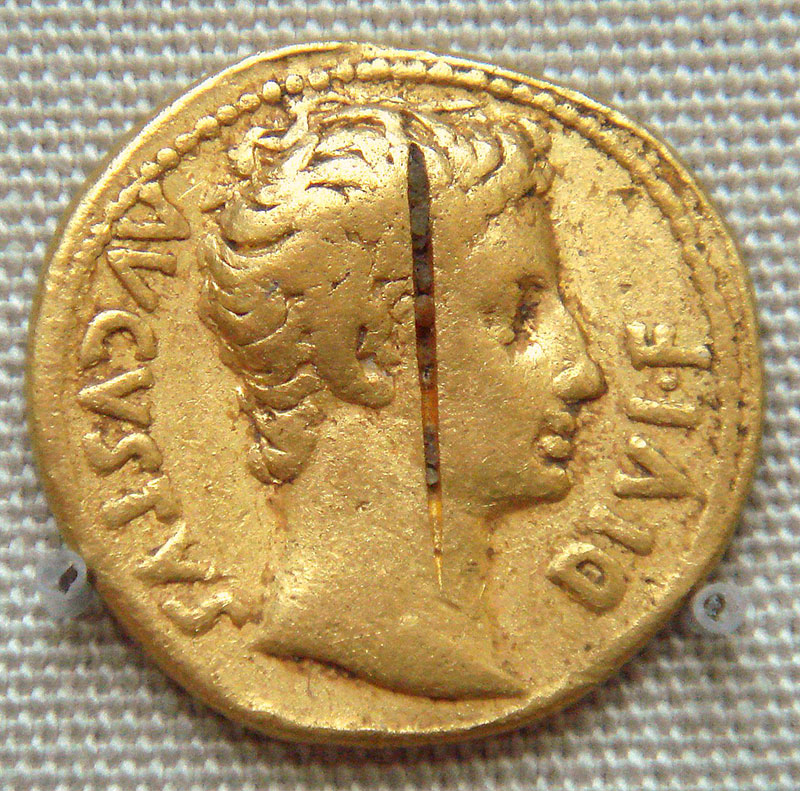
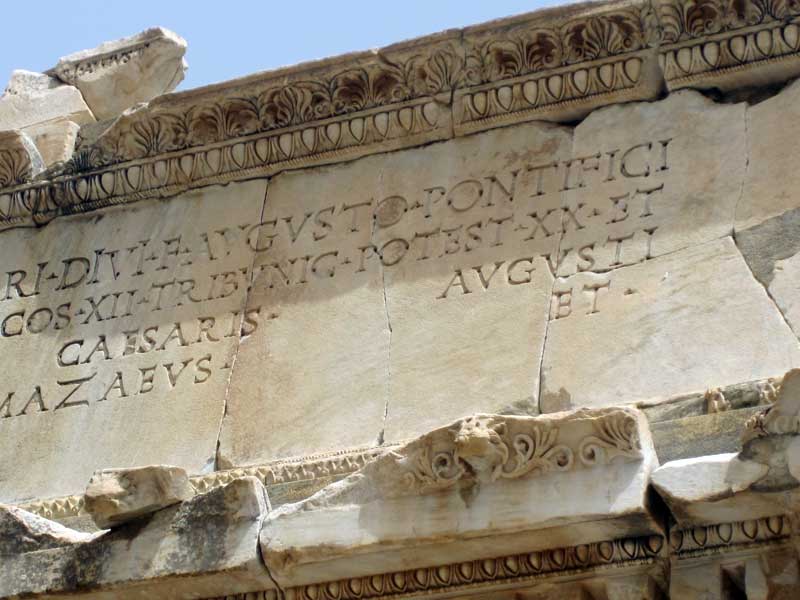
Use of the title “Son of God” is less common in the imperial cult. It developed primarily as a way to connect an emperor to the previous emperor who had been deified. In other words, it was shorthand for “son of the deified emperor who was before me.”
Pauline Usage
Truthfulness
2 Cor 1.19: “The Son of God, Jesus Christ, whom we proclaimed among you … was not Yes and No, but in him it is always Yes.”
Intimate Relationship
Gal 2.20: “I have been crucified with Christ. It is no longer I who live, but Christ who lives in me. And the life I now live in the flesh I live by faith in the Son of God, who loved me and gave himself for me.”
Spiritual Unity
Eph 4.13: “Until we all attain to the unity of the faith and of the knowledge of the Son of God, to mature manhood, to the measure of the stature of the fullness of Christ.”
Sovereign Rule
Rom 1.3: Jesus is “declared to be the Son of God in power according to the Spirit of holiness by his resurrection from the dead.” || Ps 2.7: “I will tell of the decree: The Lord said to me, ‘You are my Son; today I have begotten you.’”
Comparison
The imperial cult used “son of god” to deliberately avoid calling the emperors “god.” It was a way to connect them with the deified emperor who was before them without directly calling them “god.” Paul, on the other hand, uses “Son of God” to directly make Jesus equal with the Father.
The difference between the imperial and Pauline uses of “God” apply here too. Since the Roman conception of God meant so much less than the biblical one, a loose connection to a deified predecessor means so much less than a close unity with the God of the Bible.
Conclusion
The list of attributes Paul emphasizes about Jesus with the titles “God” and “Son of God” is impressive:
- Authority
- Prominence
- Spirituality
- Salvation
- Truthfulness
- Intimacy
- Spiritual Unity
- Sovereign Rule